

Table of Contents
- Kilimanjaro Climbing: Physical and Mental Demands
- Types of Training for Kilimanjaro Treks
- Essential Skills and Preparation Methods
- Risks of Inadequate Preparation Explained
- Comparing Guiding Companies
Key Takeaways
| Point | Details |
| Physical and Mental Preparation are Essential | Climbers must develop both physical fitness and mental resilience to handle the extreme conditions of Kilimanjaro effectively. |
| Guided Expeditions Enhance Safety and Success Rates | Utilizing professional guides significantly increases climbers’ chances of reaching the summit safely and ensures better logistical support. |
| Comprehensive Training is Critical | A multidimensional training approach, including cardiovascular, strength, and altitude acclimatization exercises, is necessary for successful summiting. |
| Awareness of Risks Can Save Lives | Understanding potential health risks, like Acute Mountain Sickness, is vital for climbers to prepare adequately and mitigate dangers during the trek. |
Kilimanjaro Climbing: Physical and Mental Demands
Climbing Mount Kilimanjaro represents a profound physical and psychological challenge that tests even experienced adventurers. Research from the Journal of Travel Medicine reveals that this trek exposes climbers to extreme conditions including high elevations, low temperatures, and unpredictable winds that demand exceptional preparation.
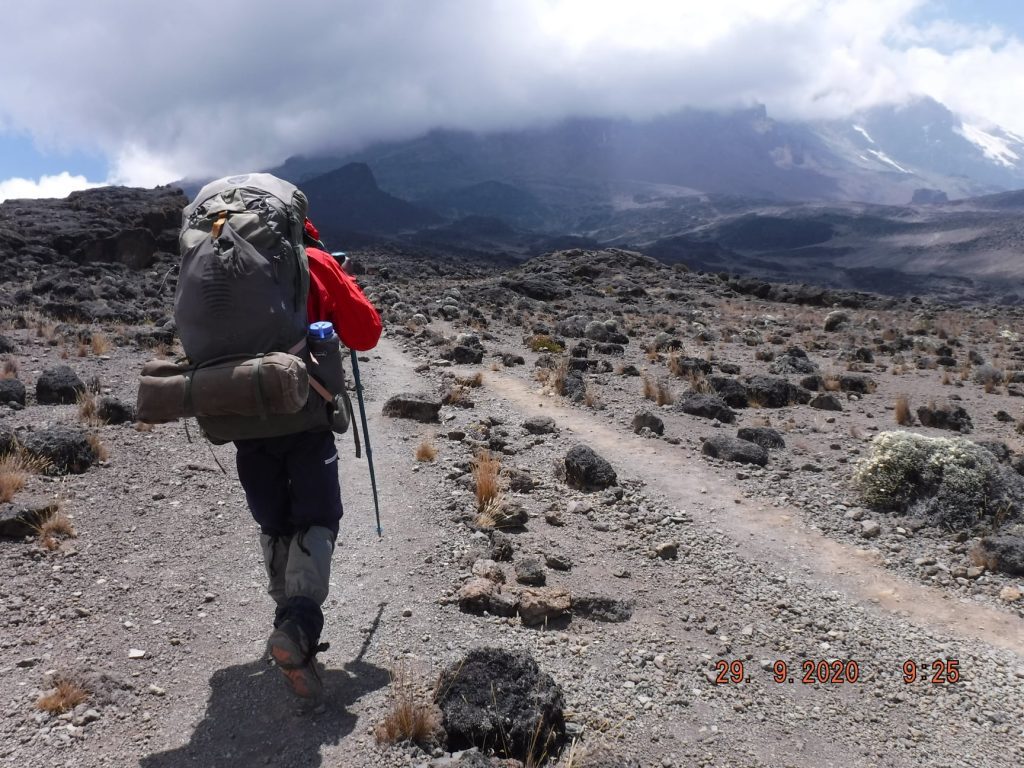
The physical demands of Kilimanjaro are substantial and multifaceted. Climbers must navigate challenging terrain across multiple ecological zones, from rainforest to alpine desert, with elevation gains that dramatically impact body performance. Wikipedia’s analysis of Mount Kilimanjaro notes that while the climb is not technically complex like Himalayan routes, the high altitude presents significant physiological challenges.
Mental resilience becomes equally critical during the expedition. Altitude-related stress can trigger acute mountain sickness (AMS), requiring climbers to maintain psychological composure while experiencing potential symptoms like headaches, fatigue, and disorientation. Successful summiting demands not just physical fitness, but strategic mental management.
Key Physical Challenges:
- Elevation gains from 6,000 to 19,341 feet
- Extreme temperature variations
- Reduced oxygen levels
- Extended trekking periods (5-9 days)
- Challenging terrain across multiple ecological zones
Mental Preparation Requirements:
- Emotional stability under physical stress
- Ability to manage altitude-related symptoms
- Sustained motivation during challenging segments
- Psychological adaptability
Pro Training Tip: Develop a comprehensive training regimen that integrates cardiovascular endurance, strength training, and altitude simulation techniques to build both physical capability and mental resilience for your Kilimanjaro expedition.
Ultimately, conquering Kilimanjaro demands a holistic approach that respects the mountain’s physical and psychological challenges while preparing systematically and strategically.
Types of Training for Kilimanjaro Treks
Successful Kilimanjaro expeditions require a sophisticated, multidimensional training approach that systematically prepares climbers for the mountain’s unique physical challenges. Cardiovascular conditioning forms the foundational element of comprehensive trek preparation, enabling adventurers to build the endurance necessary for sustained high-altitude performance.
Strength training plays a critical role in preparing for Kilimanjaro’s demanding terrain. Climbers should focus on lower body and core exercises that simulate trekking conditions, including weighted backpack training, lunges, squats, and step exercises designed to build muscular resilience. Incorporating stair climbing and incline treadmill workouts can help simulate the vertical challenges encountered during the actual expedition.
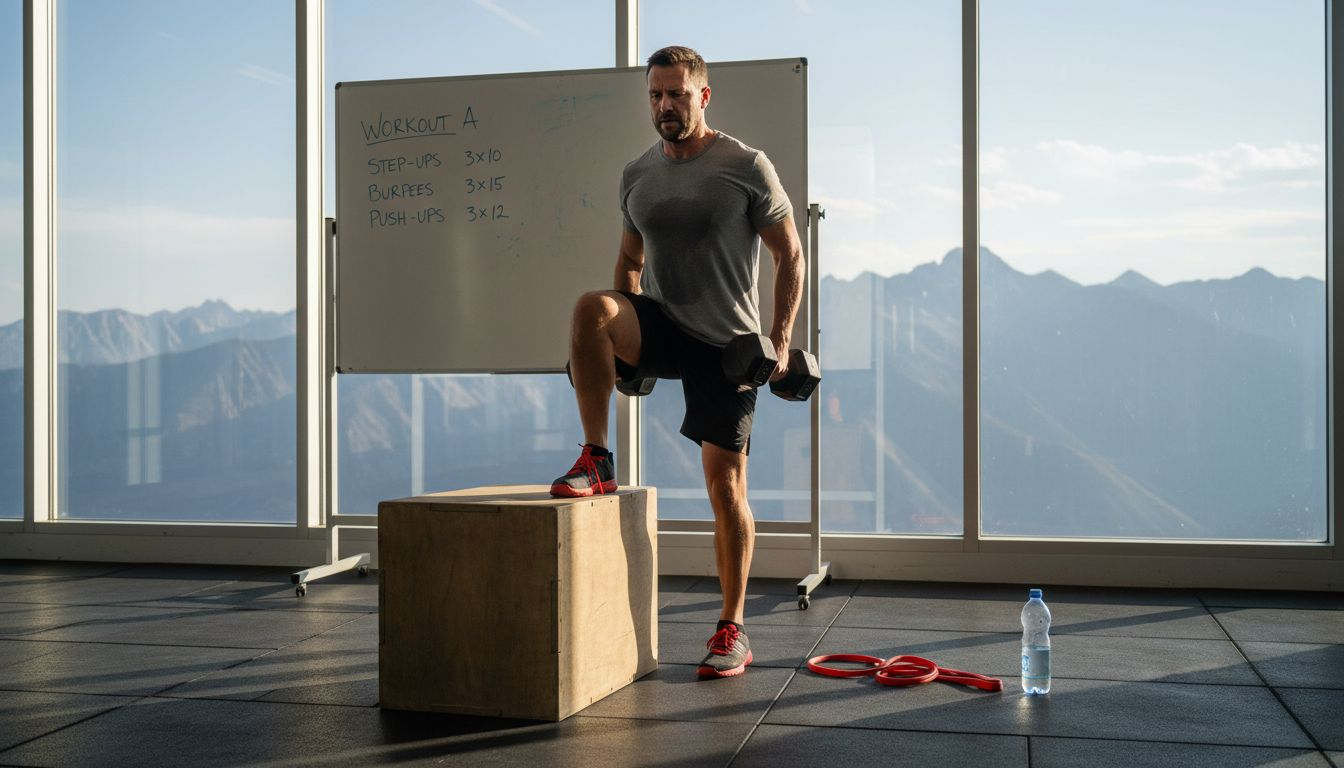
Altitude acclimatization training represents another essential component of trek preparation. While not always feasible for all climbers, strategies like high-intensity interval training, simulated altitude training, and strategic cardiovascular workouts can help improve physiological adaptation. Some advanced preparation techniques include using altitude training masks or participating in training programs that expose climbers to controlled low-oxygen environments.
Key Training Dimensions:
- Cardiovascular endurance
- Muscular strength and stability
- Altitude acclimatization techniques
- Mental resilience training
- Technical hiking skill development
Recommended Training Focus Areas:
- Hiking with weighted backpack
- Interval training
- Resistance exercises
- Balance and core strengthening
- Flexibility and mobility work
Pro Training Tip: Develop a progressive training plan that gradually increases intensity and complexity, incorporating both physical conditioning and mental preparation strategies to ensure comprehensive readiness for your Kilimanjaro adventure.
Here’s a summary of the essential training components for Kilimanjaro treks and their primary benefits:
| Training Component | Main Benefit | Example Activities |
| Cardiovascular Endurance | Supports sustained trekking performance | Trail running, cycling, hiking |
| Strength Conditioning | Improves muscle resilience on inclines | Weighted squats, lunges, stairs |
| Altitude Acclimatization | Enhances physiological adaptation | Mask training, HIIT, sleep tents |
| Mental Resilience | Boosts motivation and stress tolerance | Visualization, mindfulness |
| Technical Hiking Skills | Increases safety on rough terrain | Map reading, GPS drills |
Essential Skills and Preparation Methods
Successful Kilimanjaro expeditions demand a comprehensive approach to skill development that extends far beyond basic physical conditioning. Technical hiking skills represent the foundation of mountain preparedness, requiring climbers to master techniques for navigating challenging terrain, managing equipment, and maintaining personal safety in unpredictable alpine environments.
Navigational proficiency becomes critical in Kilimanjaro’s complex ecosystem. Climbers must develop advanced skills in reading topographical maps, understanding terrain features, and utilizing GPS technologies effectively. This includes practicing route finding, understanding elevation changes, and recognizing potential hazards across multiple ecological zones. Learning to interpret mountain weather patterns and make real-time navigation decisions can mean the difference between a successful summit and a potentially dangerous situation.
Emergency preparedness and self-management skills form another crucial aspect of Kilimanjaro expedition preparation. This encompasses a wide range of capabilities, from basic first aid and wilderness medical knowledge to psychological resilience techniques. Climbers should develop skills in managing altitude-related stress, recognizing early signs of physical and mental fatigue, and implementing emergency response strategies in remote mountain environments.
Critical Technical Skills:
- Advanced map reading
- GPS navigation
- Terrain assessment
- Weather pattern interpretation
- Emergency medical response
- High-altitude physiology management
Essential Personal Management Skills:
- Stress control techniques
- Energy conservation strategies
- Equipment maintenance
- Nutrition and hydration management
- Mental resilience training
Pro Skill Development Tip: Invest in professional mountain training courses that provide hands-on experience in alpine environments, focusing on comprehensive skill development that integrates technical expertise with psychological preparation for your Kilimanjaro adventure.
Risks of Inadequate Preparation Explained
Research from the Journal of Travel Medicine reveals the profound dangers associated with insufficient preparation for Kilimanjaro expeditions. Acute mountain sickness represents the most immediate and potentially life-threatening risk confronting unprepared climbers, with inadequate physical conditioning and acclimatization dramatically increasing the likelihood of severe altitude-related medical complications.
The physiological challenges of Kilimanjaro demand comprehensive preparation that extends beyond basic fitness. Wikipedia’s analysis of Mount Kilimanjaro highlights that even experienced trekkers can suffer significant health risks when climbing without proper acclimatization strategies. Rapid ascent schedules, driven by logistical constraints or personal ambition, can trigger dangerous medical conditions including high-altitude pulmonary edema (HAPE) and high-altitude cerebral edema (HACE), which can rapidly progress from mild symptoms to critical medical emergencies.
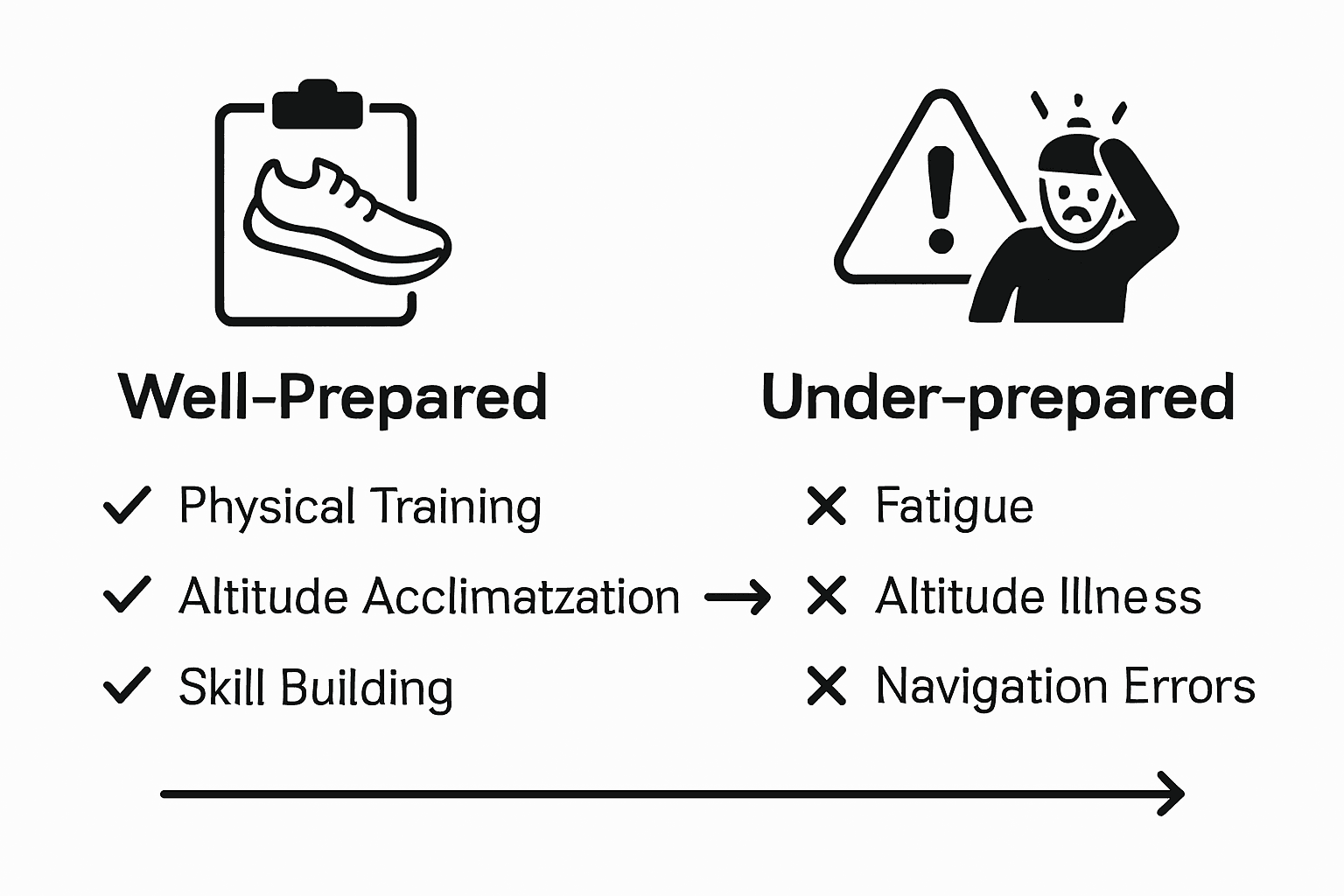
Psychological unpreparedness compounds the physical risks inherent in mountain expeditions. Climbers who lack mental resilience and adaptive strategies are more susceptible to making poor decisions under stress, increasing the potential for accidents, exposure-related injuries, and extreme fatigue. The combination of physiological strain and psychological vulnerability can transform what should be an extraordinary adventure into a potentially life-threatening experience.
Critical Health Risks:
- Acute mountain sickness (AMS)
- High-altitude pulmonary edema (HAPE)
- High-altitude cerebral edema (HACE)
- Severe dehydration
- Hypothermia
- Extreme exhaustion
Psychological Vulnerability Indicators:
- Inability to manage stress
- Poor decision-making under pressure
- Lack of emotional resilience
- Inadequate coping mechanisms
- Reduced cognitive function at altitude
Pro Risk Mitigation Tip: Develop a comprehensive preparation strategy that integrates physical conditioning, medical screening, psychological training, and gradual altitude exposure to minimize the potential risks associated with Kilimanjaro expeditions.
Comparing Guiding Companies
Wikipedia’s comprehensive analysis of Mount Kilimanjaro reveals critical distinctions between guideing companies, highlighting the substantial advantages of focusing key facts when selecting your guiding company. Professional guidance dramatically increases climbers’ chances of successfully reaching the summit while ensuring critical safety protocols are consistently maintained throughout the challenging trek.
Not only do you need to consider the upfront aspects that the guide and guiding company will provide you, but you must also consider the logistical complexities of Kilimanjaro and demand that ethical standards are maintained to ensure the safety and fair treatment of the support crew and porters. The Kilimanjaro Porters Assistance Project (KPAP) underscores the importance of this consideration, noting that a great deal of exploitation occurs on Mount Kilimanjaro. They project certifies companies dedicated to maintaining fair and safe working conditions for the porters and crew. Every company will say they meet the standards, but the only way to truely know is to verify that the company is certified by KPAP.
Select a company that provides professional guides who posses extensive experience in recognizing early signs of altitude sickness, managing emergency medical situations, and making real-time decisions that prioritize climber safety. Their deep understanding of local terrain, weather patterns, and physiological adaptation techniques is essential to make a safe and successful attempt to reach Uhuru Peak.
Pro Expedition Tip: Prioritize professional guided services that demonstrate transparent safety protocols, experienced local guides, and ethical porter support practices to maximize your Kilimanjaro summit success and personal safety.
Prepare Smart for Your Kilimanjaro Journey with Peak Planet
Understanding the intense physical and mental demands revealed in “Why Train for Kilimanjaro: Key Benefits and Essentials” is essential for anyone aiming to summit Africa’s highest peak safely and successfully. Challenges such as altitude sickness, extreme temperature changes, and rigorous terrain require more than just enthusiasm they demand expert guidance, top-quality gear, and a well-structured training plan that builds endurance and resilience.
Peak Planet specializes in providing fully guided Kilimanjaro climbs designed to address all those critical pain points. With experienced local guides, advanced safety protocols, and eco-conscious trekking practices, we ensure your preparation transitions into a secure and unforgettable adventure. Take the next step toward your summit by exploring our comprehensive Kilimanjaro trekking services at Peak Planet. Don’t wait to build the confidence and skills needed for this life-changing climb. Visit Peak Planet today and transform your Kilimanjaro dreams into reality with expert support every step of the way.
Frequently Asked Questions
What are the physical benefits of training for Kilimanjaro?
Training for Kilimanjaro enhances cardiovascular endurance, builds muscular strength, and improves overall fitness, all of which are essential for tackling the mountain’s challenging terrain.
How does mental preparation aid in climbing Kilimanjaro?
Mental preparation helps climbers develop emotional resilience, manage stress effectively, and enhance motivation during tough segments of the climb, significantly improving the chances of success.
Why is altitude acclimatization important when training for Kilimanjaro?
Altitude acclimatization is crucial as it helps climbers’ bodies adapt to reduced oxygen levels at high elevations, minimizing the risk of altitude-related illnesses such as Acute Mountain Sickness (AMS).
What types of training should be included in a preparation plan for Kilimanjaro?
A comprehensive training plan should include cardiovascular endurance activities, strength training exercises, altitude acclimatization techniques, and mental resilience training to ensure climbers are well-prepared for the expedition.