

Planning a Kilimanjaro fundraising campaign means you tell a story and build a community as you climb. You can support a charity, school project, or medical program. A good plan helps you reach donors and meet your goal.
Why a strategy matters for Kilimanjaro fundraising
Climbing Kilimanjaro attracts adventure lovers and kind supporters. A clear plan sets targets, shapes messages, and makes it easy for supporters to help and follow your path. Without that plan, momentum fades and donations stall.
Create a compelling fundraising story
People give when they feel close to others. Use a human story:
• Explain why you are climbing. Is it for education, healthcare, conservation, or another cause?
• Show beneficiaries. Share a short profile or case study of someone who will benefit.
• Reveal milestones. Describe training goals, key dates, and donor recognition levels.
Use photos and short videos to bring your story to life. Pictures of training hikes, team meetups, or beneficiary interviews create empathy and boost donations.
10 creative Kilimanjaro fundraising ideas
Here are ideas that keep money flowing and supporters involved:
- Virtual climb challenge – Invite supporters to log their own miles and donate per kilometer, mirroring your climb.
- Crowdfunding page with tiered rewards – Offer postcards from the summit, signed gear, or a live summit call at higher levels.
- Social media countdown – Share training clips and donor shout-outs as you near the climb date.
- Sponsored events – Host a charity quiz night, bake sale, or silent auction, with proceeds supporting your goal.
- Corporate match program – Ask companies to match donations and double contributions.
- Micro-donations at checkout – Partner with a local store or online retailer to gather spare change donations.
- Peer-to-peer campaigns – Let friends and family start mini-fundraisers within your campaign.
- Training bootcamps – Charge a small fee for guided training hikes and send proceeds to your fund.
- Raffle or prize draw – Offer prizes donated by local businesses.
- Educational workshops – Present talks about Kilimanjaro’s ecology, culture, or trekking tips with an entry fee.
Mix several ideas to suit your audience and timeline.
Leverage online tools and storytelling platforms
Digital tools make fundraising scalable. Start a campaign page on sites like GoFundMe, JustGiving, or another nonprofit portal. Add:
• Regular email updates that share training progress and beneficiary impact.
• Short video clips optimized for Instagram and TikTok.
• A blog or Vlog that shares preparation, logistics, and reflections.
Always use clear calls to actions like “Donate,” “Share,” and “Join our training walk.” Show a progress thermometer to keep momentum high.
Engage local businesses and corporate sponsors
Talk to local businesses with a clear sponsorship package. They gain:
• Logo placement on shirts and marketing materials.
• Social media mentions and local press exposure.
• Opportunities for co-branded events.
Many companies have budgets for community giving and employee matching. Present your campaign as an opportunity for team building and CSR.
Host memorable fundraising events
Events create personal connections and tend to bring higher donations. Try these formats:
• A summit party (before or after the climb) with storytelling, slides, and a silent auction.
• A community hike day where people join for a fee and learn about your cause.
• A cultural evening with Tanzanian food, music, and a talk about local impact.
Keep events accessible. Offer tiered tickets and remote participation options. Use events to collect emails and social handles for follow-up.
Sustain donor relationships during and after the climb
Keep donors following your work with:
• Live updates from base camps and summit days.
• Thank-you videos that name donors when possible.
• Impact reports that show how funds are used, with receipts, photos, and beneficiary words.
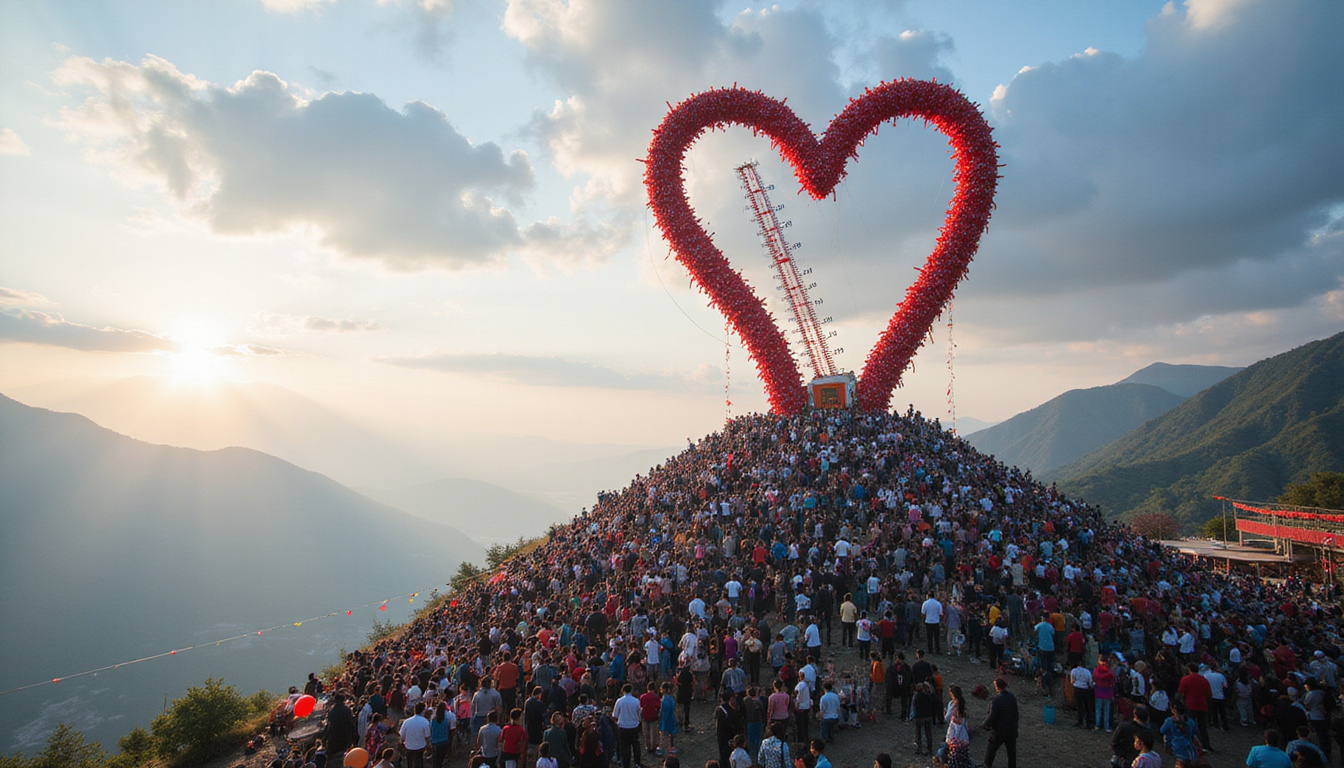
Transparency builds trust and can lead to repeat support for your future challenges.
Logistics and ethical considerations
Responsible fundraising means you manage ethics and costs. Tell supporters exactly where fees, tour operator costs, and donation percentages go. Choose tour operators who practice sustainable trekking and help local communities. Follow your local legal rules for fundraising and charitable solicitations.
For trusted details on Kilimanjaro’s environment and trekking rules, check sources such as National Geographic’s overview of Mount Kilimanjaro (source).
Budgeting and goal-setting for success
Set a realistic total that covers:
• Climb costs (permits, guides, gear)
• Campaign expenses (platform fees, merchandise)
• The donation promised to beneficiaries
Divide the total into monthly and weekly goals. If you have a team, assign responsibilities. A sample budget breakdown:
• Trek logistics: 50%
• Fundraising and marketing: 10%
• Direct beneficiary donation: 35%
• Contingency: 5%
Measuring results and optimizing
Watch key numbers:
• Total funds raised
• Average donation size
• Number of repeat donors
• Conversion rates from emails and social posts
Test different headlines, images, and emails to see which drive more donations. Adjust your message and channels based on the data.
Bulleted quick-start checklist
• Define your goal and whom you help.
• Build a campaign page with clear CTAs.
• Create a calendar for emails and social media.
• Get one or two corporate sponsors.
• Plan at least two fundraising events.
• Prepare impact report templates.
Frequently asked questions (FAQ)
Q: How can I start Kilimanjaro fundraising with no experience?
A: Start with a clear goal, set up a simple campaign page, and ask friends and family to support and share. Use photos, testimonials, and training updates to build trust.
Q: What’s the best way to promote fundraising for Kilimanjaro online?
A: Use a mix of platforms: a dedicated crowdfunding page, email updates, and short videos on social channels. Encourage peer sharing and add rewards or recognition for larger donors.
Q: How much does it usually cost to raise money for a Kilimanjaro climb?
A: Costs vary. Budget for trek operator fees, permits, gear, and campaign costs. Many aim for a total that covers these expenses and a clear donation amount for the cause, broken into manageable steps.
Cite for further reading
For background on Kilimanjaro’s environment, climbing routes, and safety tips, see National Geographic’s Mount Kilimanjaro guide (source).
Final thoughts and call to action
Kilimanjaro fundraising lets you blend personal challenge with real impact. Use a strong story, diverse fundraising ideas, and clear management to attract donors and create lasting benefits. Ready to start? Build your campaign page today, plan your first event, and invite five supporters to join your mission. Every step brings you closer to the summit and makes a real difference.
Peak Planet is one of the few specialist companies with a long track record of organizing high-quality Mount Kilimanjaro climbs. We have been setting the standard for climbing Kilimanjaro since 2008. Contact our expert team to help you plan your adventure of a lifetime.