

Using a CPAP Machine on Mount Kilimanjaro: What You Need to Know
For trekkers with sleep apnea, climbing Mount Kilimanjaro raises a practical question: Can I safely and effectively use my CPAP machine on the mountain?
The short answer is yes, many climbers do it successfully—but it requires preparation. Between high altitude, cold temperatures, and limited access to electricity, Kilimanjaro presents unique challenges for CPAP users. We walk you through what to expect and how to plan for a smooth, safe ascent.
Why CPAP Matters Even More at Altitude
Sleep apnea disrupts breathing during sleep, reducing oxygen levels. On Kilimanjaro, you’re already dealing with thin air—so untreated sleep apnea can make acclimatization harder and increase fatigue. Many climbers find that consistently using their CPAP machine helps them sleep better, feel more rested, and manage altitude more effectively.
However, altitude can also affect CPAP performance, especially the pressure needs. Some devices handle altitude adjustments automatically; others don’t. We’ll cover that shortly.
Key Challenge #1: Powering Your CPAP
There are no charging stations or generators at most camps on Kilimanjaro. For CPAP users, this means one thing:
You must bring battery power — and enough of it.
How many batteries do you need?
- This depends on:
- How many nights your route requires
- Whether your machine runs on AC or DC
- Whether you use a humidifier (tip: it drains batteries extremely quickly—leave it off)
Most multi-night trekkers bring:
- 2–4 high-capacity CP
AP batteries, depending on the length of the route - Batteries with low-temperature ratings, because cold conditions reduce battery efficiency
Make sure your battery is airline-approved (most external batteries under ~160Wh are).
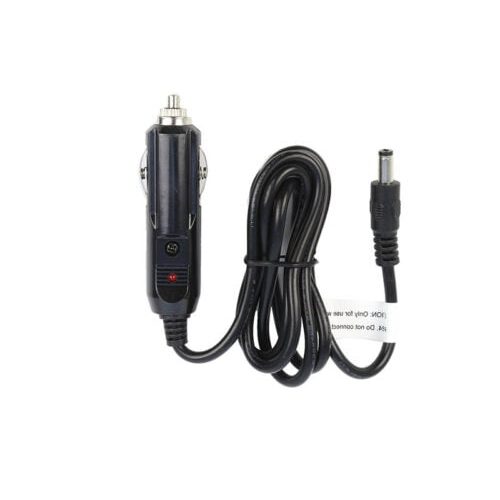
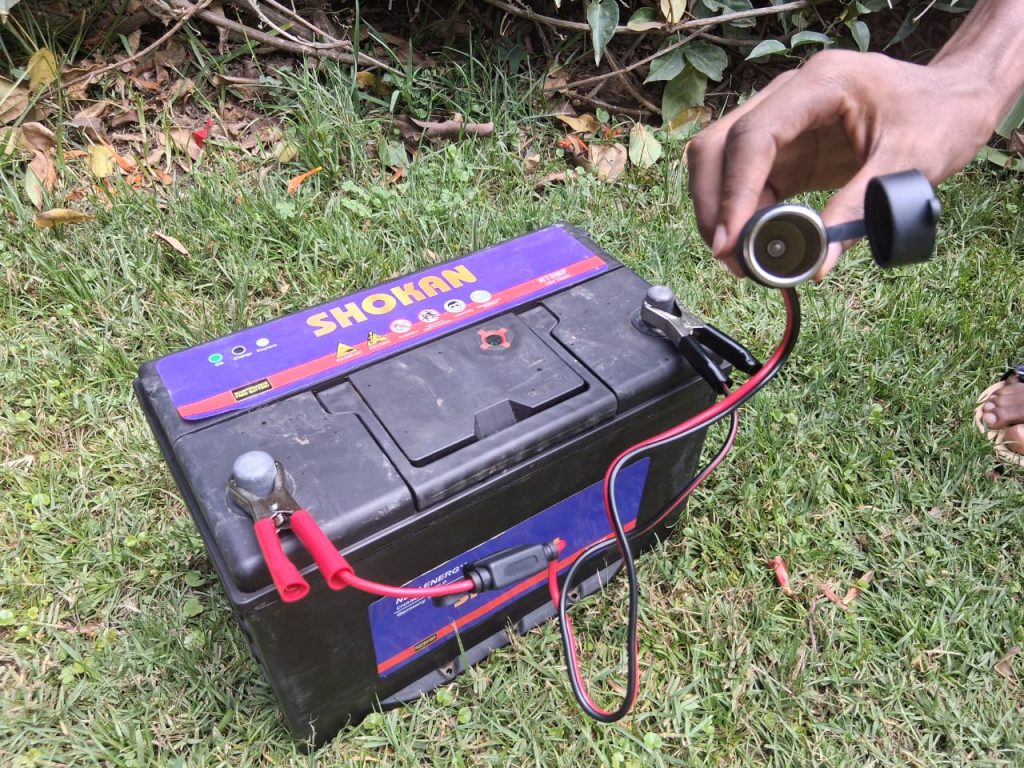
Peak Planet has an alternative to avoid having to invest in expensive CPAP batteries. Instead they have an option to provide large capacity car batteries equipped with an adapter that will work with CPAP machines that are capable of plugging into a car cigarette lighter. You will need to request this option in advance and there are some additional charges due to the equipment and crew needed to provide you with power for your CPAP during the trek.
Key Challenge #2: Choosing the Right CPAP Machine
Not all CPAP machines perform well at altitude. When selecting a model for Kilimanjaro:
Look for:
- Altitude compensation up to at least 10,000 ft (3,000 m) or higher
- Check the altitude of the highest camp you will be sleeping at.
- Remember even auto-adjusting machines may struggle above their rated limits.
- DC power compatibility
- Low power consumption
- Compact, travel-friendly size
Travel CPAP models (ResMed AirMini, Philips DreamStation Go, etc.) are common choices, but check each model’s altitude limits before relying on it.
Key Challenge #3: Cold Weather Considerations
Nighttime temperatures on Kili routinely fall below freezing at higher camps. Cold temperatures affect:
Battery performance
Expect a 20–40% reduction in battery life. Keep your batteries:
- In your sleeping bag
- Inside an insulated pouch
- Near your body during the day
Condensation
Breathing through a CPAP at cold, dry altitude can create “rainout” (water in the tubing). Solutions:
- Use tubing sleeves
- Keep tubing inside your sleeping bag
- Turn off humidity settings
Key Challenge #4: Pressure Needs at Altitude
Some trekkers find their usual pressure settings feel different at elevation.
- Auto-CPAP machines typically handle these changes better than fixed-pressure models.
- If your machine doesn’t automatically compensate, talk to your sleep doctor—some recommend slightly increasing pressure for altitude trips.
Always test your machine with your battery setup before traveling.
Working With a Guide Company
Some guiding companies have experience with CPAP users. When booking your trek, let them know:
- You use a CPAP machine
- How many batteries you plan to bring
- Whether your CPAP gear will put you over the weight limit for your Kit bag.
Responsible operators will also require that you seek your medical doctor’s opinion regarding the use of a CPAP machine while trekking Kilimanjaro. Most users of CPAP machines have sleep apnea that is no cause for concern. But some forms of sleep apnea combined with the use of a CPAP machine may exacerbate risks associated with hiking at altitude. Be sure to discuss your trek with your doctor who can give you full medical advice specifically related to you.
Packing Checklist for CPAP Users
Here’s a practical list to ensure nothing gets left behind:
Essentials
- CPAP machine (preferably travel-sized)
- 2–4 fully charged external batteries or pre-booked power solution from the Guide Company
- DC power cable
- Extension cords and Type G plug adapter (for pre/post trek at hotels)
- Mask + spare parts (straps, cushions)
Cold-weather protection
- Insulated battery pouch
- Soft tubing sleeve
- Dry bags for moisture protection
Backups
- Spare tubing
- Small roll of tape (for quick mask repairs)
- Extra filters
Final Thoughts: Can You Use a CPAP on Kilimanjaro?
Absolutely. Thousands of climbers with sleep apnea summit Kilimanjaro each year—many safely using their CPAP machines every night. The key is preparation: the right equipment, enough batteries, and adjustments for altitude and cold weather.
Climbing Kilimanjaro is a major challenge, but sleep apnea doesn’t have to stand in your way. With planning, your CPAP can help you stay rested, oxygenated, and ready for the thrilling ascent to Africa’s highest peak.