THE PACKING
LIST.
Pack smart for the mountain. Use it as a checklist or grab a copy at the gear shop.
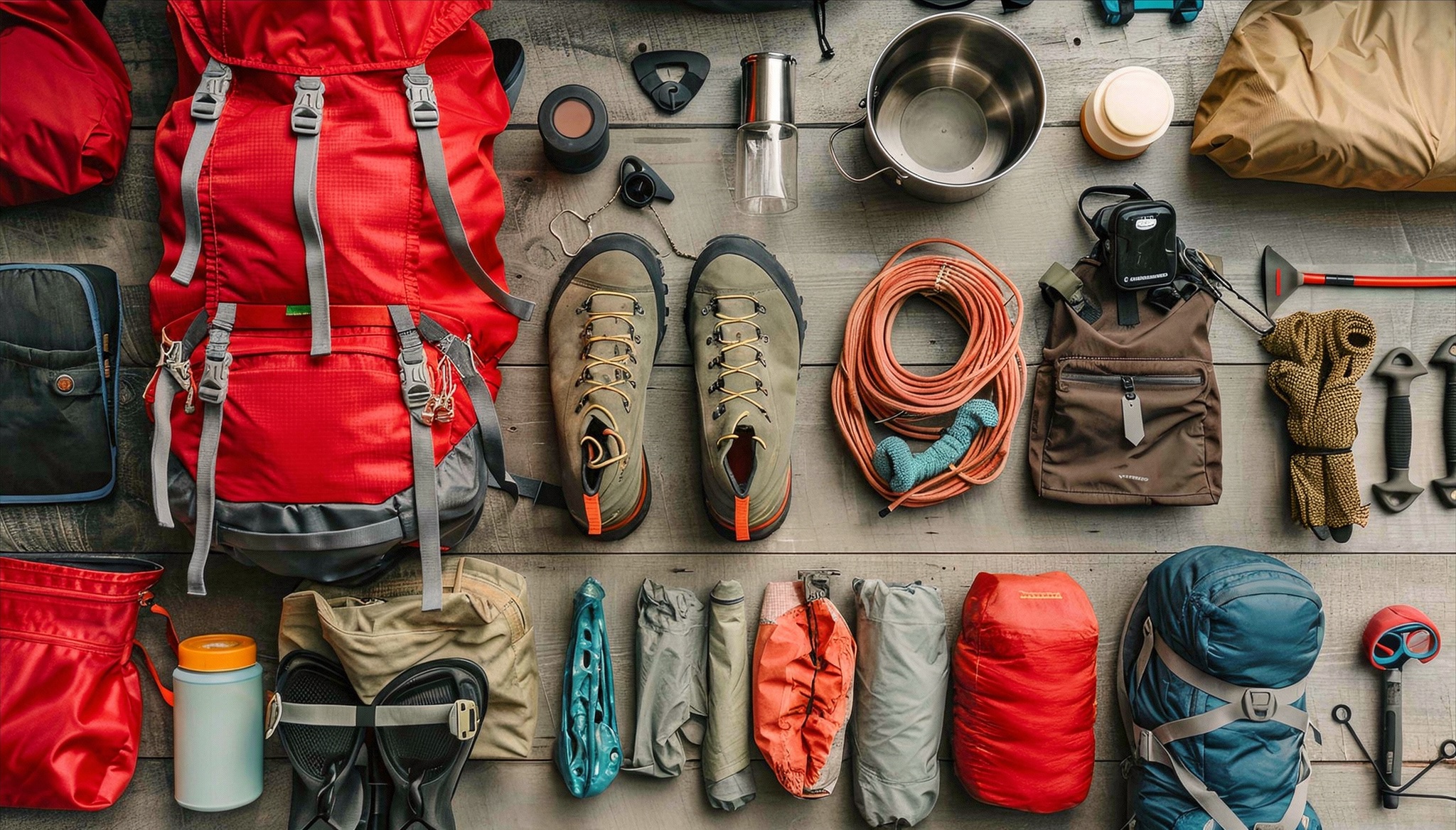
FOUR habits
of ready climbers
Before you start: over-packing and under-testing are the two most common mistakes. A quick read now will change what ends up in your pack.
THE 15 KG RULE
KPAP and KINAPA cap each porter at 15 kg / 33 lbs of your personal belongings — set for porter safety and out of respect for the hard work they do every day on the mountain. We weigh duffels at the gate.
LAYERS, NOT BULK
Three thin layers beat one thick one. They dry faster, weigh less, and let you regulate on a single ridge that goes from frost to sweat in an hour.
WET KILLS
Cotton holds water; wool and synthetics shed it. Every base layer, every sock, every glove on this list is moisture-wicking for a reason. No cotton, ever.
TEST BEFORE YOU FLY
A new boot on day one is a blister by day three. Break every item in. Sleep one night in the bag, on the floor, in your base layer. Trust nothing untested.
TWO BAGS.
ONE SIMPLE RULE.
Your porter carries the duffel. You carry the daypack. The question on every item is the same: do I need this during the day's hike, or only when I arrive at camp?
- 01Sleeping bag (0°F or warmer)
- 02Sleeping bag liner
- 03Insulated jacket (summit night)
- 04Fleece pants & extra base layers
- 05Spare hiking pants, shirts & extra socks
- 06Camp shoes / gym shoes
- 07Toiletries & medications
- 08Pee bottle, wet wipes, blister kit
- 09Most of your snacks
- 01Rain jacket & rain pants
- 02Fleece jacket / mid layer
- 03Warm hat, buff, thin gloves
- 04Sun hat & sunglasses
- 05Sunscreen & lip balm
- 063–4 L water (bottle + bladder)
- 07Day's snacks
- 08Camera, phone, headlamp
- 09Personal items (wallet, phone case, ID)
EIGHT CATEGORIES,
ONE BAG.
Tick boxes as you pack. Your progress saves automatically — close the tab, come back tomorrow, your list is still here. Print anytime for a paper version.
These are the items you must have. If you want to bring more, that is fine as long as your bag stays under 15 kgs.
Symbols on the checklist below: ★ rent · ◇ optional · ▲ required for non-experienced hikers
JUNGLE TO
ARCTIC, IN SIX DAYS.
Kilimanjaro climbs through five climate zones — equator at the base, Antarctic at the top. The packing list looks excessive until you remember you'll wear nearly all of it in the same week.
CULTIVATION
2,600–5,900 ft · 68–86°F
Short sleeve shirt · Hiking shorts
You'll start here. Hot, humid, banana groves. Save dry layers for higher.
RAINFOREST
5,900–9,200 ft · 54–77°F
Long sleeve · Rain jacket · Pants
Wet, often. Rain shell on, hood up. Gaiters earn their place by lunch.
HEATHER / MOORLAND
9,200–13,100 ft · 32–64°F
Base + Fleece · Wind shell
Sun bakes you, wind cuts you. Layer on and off five times a day.
ALPINE DESERT
13,100–16,400 ft · 23–59°F
Base + Fleece + Insulated
Thin air, thinner shade. Sunscreen, sunglasses, warm hat — at the same time.
ARCTIC / SUMMIT
16,400–19,341 ft · 5 to 23°F · night −15 to 5°F
Everything you brought
Summit night. Two base layers, fleece, insulated jacket, shell, balaclava, mittens and glove liners.
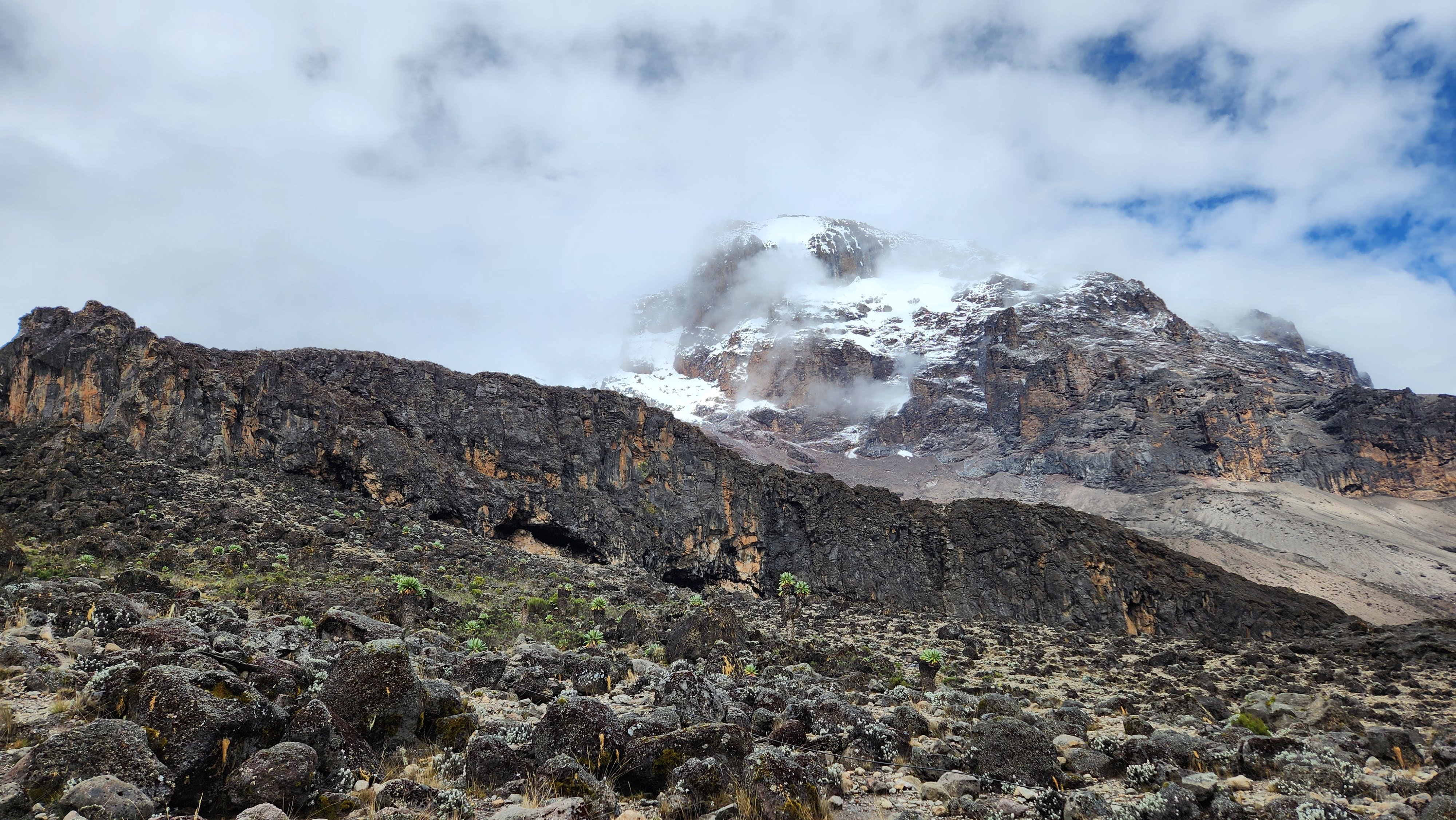 Kibo From Barranco Wall
RENT YOUR GEAR
A 0°F sleeping bag or a quality insulated jacket is a big spend for an item you may not plan to use again. Our Moshi base stocks imported, standardized gear — washed and checked after every use.
Marked ★ on the checklist · reservations required · cash only on arrival
SIX THINGS YOU NEED TO KNOW
PACK IN DRY BAGS
Organize by category. A wet sock at 4,000 m ruins a day.
SLEEP BAG AT THE BOTTOM
Heaviest items mid-duffel. Things you need first on top.
PRE-PACK THE SUMMIT KIT
One dry bag with everything for midnight — no hunting in the dark.
BOOTS IN THE CABIN, NOT THE HOLD
If your boots go missing, your climb is over before it starts.
TWO SYSTEMS, ALWAYS
Water bottle AND bladder. Rain jacket AND fleece. Redundancy saves summit day.
COLD KILLS BATTERIES
Keep headlamp and phone warm — inside your sleeping bag at night.